Blog / Around Orangeburg

Does Your Honda Need a New Car Battery?

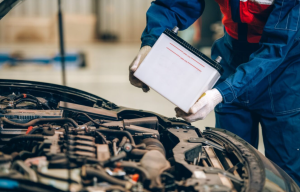
A service technicial replacing a car battery near Orangeburg, South Carolina.

It's a common problem. You hop into your Honda, ready to take on the day, and instead of the familiar vroom, you're met with a sputter, or worse still, dead silence. Never fear, though. Your friendly local Honda dealership can help you out with a new car battery.

Sluggish Start

One of the most telltale signs of a dying battery is that your car takes too long to start. If your Honda's engine cranks more slowly than usual or seems hesitant to roar to life, your battery might be waving a little warning flag.

Dimming Headlights

Your headlights are critical for nighttime safety on the road. If they seem dimmer or less brilliant than usual, especially during startup, it's likely they're not getting the juice they need.

Frequent Jump Starts

If you're constantly relying on jumper cables and the kindness of strangers to get your Honda started, that is not a good sign. Your battery probably needs to be replaced.

Battery Age

2 years is typically the lifespan of most car batteries. If your Honda's battery has been riding with you for that long, it might be time for a checkup.

Electrical Component Issues

Does your radio occasionally have hiccups? Do the power windows seem a tad slower? These components rely on the battery to run correctly, and performance issues with them might be a signal that your battery is in distress.

A Swollen Battery Case

If you pop open the hood and notice that your battery case looks bloated or swollen, it's a sure sign of a battery gone bad. Excessive heat can cause the flat sides of the battery to swell. Not only is this a clear indicator that the battery's on its way out, but it's also a potential hazard.

The Nose Knows

A failing battery can sometimes emit a rotten egg smell. This unpleasant aroma is due to the battery leaking gas. If you catch a whiff of this, it's a big red flag.

Head to the Honda Dealership for Help

If you've noticed any of these signs, don't fret. Every battery needs replacing eventually. The key is not to wait until you and your car are stranded in the middle of nowhere. Head straight to the Honda dealer for a quick battery test so you'll know if it's time for a replacement.

Remember, your Honda is more than just a car. It's a companion ready to zip you off on countless adventures. If your battery is giving you the runaround, call Burns Honda today and get the service you need.

Posted in:

Related Posts

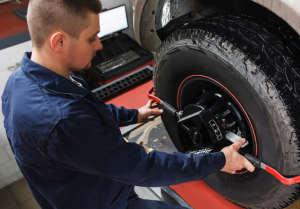
A service technician performing a tire rotation on a vehicle near Orangeburg, South Carolina

Maximizing Fuel Efficiency in Your Honda: Tips and Tricks

Keeping your Honda in prime condition is important for lots of reasons, not least for fuel efficiency. A car that's running well will use less fuel, maximizing the mileage you get from your gas. There are many effective Honda fuel efficiency tips, but arguably the most important is ensuring your car is regularly serviced. Trained Honda technicians can fine-tune multiple components, giving you optimal performance on the road. more Drive Smoothly The way you drive has a big impact on the amount of fuel you use. Keeping an eye on the road ahead will allow you to anticipate any changes early, preventing sudden braking or acceleration. Coasting to a stop rather than abrupt braking and keeping a steady speed will minimize the amount of fuel you use to reach your destination. Keep Tires Properly Inflated Underinflated tires make your engine work harder to achieve the same speeds. Overinflating can cause other problems, so it's essential to get the right balance. The driver's handbook or the inside frame of the driver's door should confirm the right tire pressure for your Honda model. Reduce Unnecessary Weight It's easy to forget about items you've thrown in the trunk, but extra weight can make a difference. A lighter car will use less fuel, so it's advisable to clear out the unnecessary cargo on a regular basis. Minimize Idling An idling engine can waste a lot of fuel, so if you're expecting to be stationary for a while, consider switching off your engine. Hondas are remarkably efficient at restarting, and if you're not moving for more than a minute or two, idling the engine will burn more fuel than switching off and starting up again. Improve Aerodynamics Your Honda is designed to move dynamically at high speeds, but changes to the configuration could increase drag. Removing roof racks when not in use and keeping windows rolled up at high speeds will preserve the aerodynamics on your car and prevent any decrease in fuel efficiency. Schedule Regular Servicing Every car runs at its best when it's been well looked after, and Honda is no exception. From oil and filter changes to spark plug replacement and fluid level checks, a good service can make a car run more efficiently. This translates to more miles on the road, leaving more money in your pocket. Whether your car needs a service or you just want some general advice about your Honda, our highly trained technicians can help. Contact us here at Burns Honda in Orangeburg, SC for a no-obligation consultation.

An interior photo of a 2025 Honda Pilot photographed near Orangeburg, South Carolina

Maintaining Your Honda: Essential Tips for Long-Term Care

Regular maintenance is the easiest and most affordable way to keep your Honda in great shape. Our trained technicians can identify and fix minor issues before they have the chance to develop into problems. This saves you money by preventing future repairs. As your Honda dealer, we'd like you to know a few examples of the Honda maintenance we provide. more Oil Change Oil is pumped through the engine, cooling hot components as it moves. Many engine components depend on friction to work effectively, and the oil coats them in a friction-resistant covering that protects against damage. In addition, oil additives prevent engine rust, break down harmful engine deposits, and keep the engine clean. Oil becomes less effective as it ages. It slows down due to the absorption of dirt and other debris and provides less protection for components, increasing engine wear and tear. We'll drain your old oil then remove and replace the oil filter so the oil can flow freely. We then reseal the sump and refill your oil. Coolant Leak Repair Your engine operates most effectively at a temperature ranging from 185 F to 230 F, but excessive heat accumulation is dangerous for your engine. The coolant absorbs heat, locking it away and transporting it to the radiator, where it's removed by heat exchange. A coolant leak drops the pressure in the cooling system, causing it to slow down, and your engine temperature will rise. If your engine gets too hot, it will damage the cylinders, pistons, seals, and numerous other components. Coolant is available in bright colors like pink, yellow, green, and blue, so a leak is easy to spot. Contact us ASAP if you spot a leak, and we'll repair it. Brake Servicing Brakes are your most important safety system, as they allow you to control your speed at any time. The braking system uses pressure and friction to work effectively, which generates heat. In time, components will wear out due to these conditions or age, and your brakes will work less effectively. Our technicians examine and test all braking system components to ensure they're in good condition. The brake fluid is drained and replaced, as new fluid is more efficient at providing the hydraulic power the braking system requires. The system is tested under normal driving conditions to ensure it's working perfectly. Book your maintenance today by contacting us at Burns Honda in Orangeburg, SC.

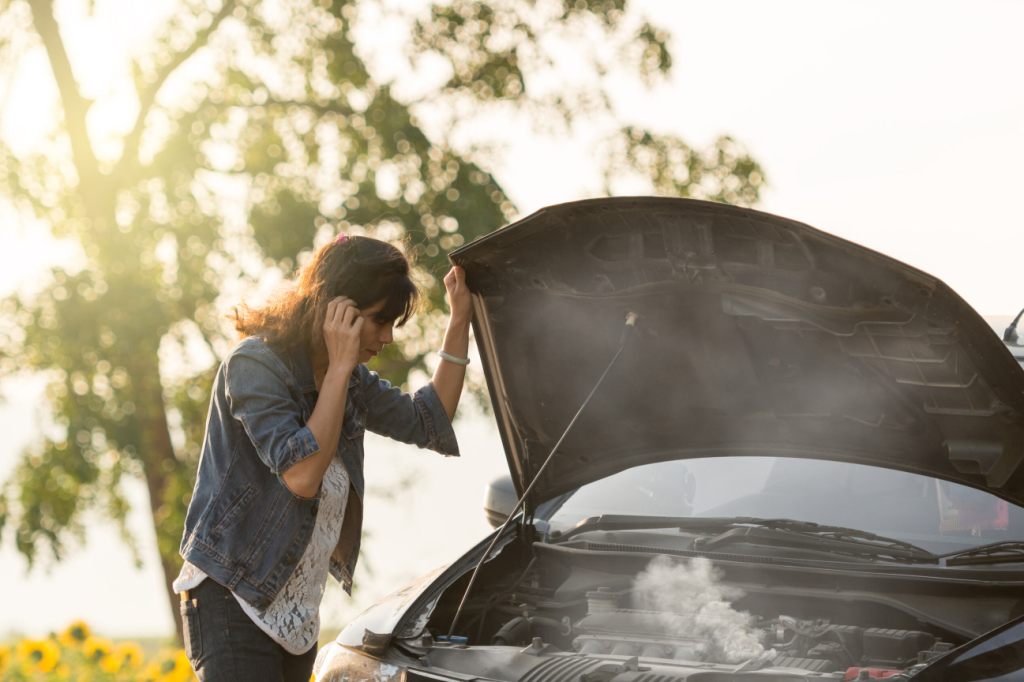
An engine overheating on the side of a road near Orangeburg, South Carolina

Honda Engine Diagnostics: Preventing Future Problems

Engine diagnostics are one of the most important tools available to automotive technicians. They allow problems to be quickly detected and repaired, saving you time and money. As your Honda dealer, we want to tell you more about how they work and some issues they can identify. more Sensors and Computers Every important component in a modern vehicle has a sensor connected to it, and these sensors receive instructions from the computer and relay information to it that will be used to make decisions. The sensors monitor their connected component for signs of trouble. They're sensitive and will immediately inform the computer of minute changes that affect performance. If the computer can't correct the issue, it logs the situation with an error code and activates the check engine light. OBD-II Scanner A lit check engine light tells you something's wrong, not necessarily what it is. Before computers, mechanics could spend hours checking systems and components that could be the cause of the problem. This meant longer repair times and increased costs. Now, our technicians can trace the affected system in minutes. We connect an OBD-II scanner to your computer. The scanner reads the error codes logged by the computer, and we compare this to the master list of codes for your Honda model to diagnose the issue. Problems Diagnostics Can Identify Damaged Oxygen Sensor Air is vital for combustion, as fuel can't burn in the cylinders without it. Efficient combustion requires a 14:1 ratio of air to fuel, and the oxygen sensors inform the computer of the current amount of available air so it can make any necessary adjustments. A failed sensor means the computer must guess how much air is in the engine. If It guesses wrong, your engine could become fuel-rich and burn more fuel or fuel-lean and stall or misfire. Once we find the damaged sensor and replace it, it'll help performance return to normal. Blocked Catalytic Converter The catalytic converter is part of the exhaust system, and it converts dangerous gases produced as byproducts of combustion into harmless chemicals. Once the conversion is complete, the new gases exit your vehicle via the tailpipe. The converter uses high pressure, intense heat, and chemical reactions to convert the engine gases. Carbon is a byproduct of conversion. It builds up in the converter and will eventually block it. A blocked converter forces gases back into the engine. Their presence increases the engine's internal pressure and can cause it to shut down. If this problem is identified, we'll clear the blockage, and the converter will work effectively again. If you have an illuminated check engine light, contact us today at Burns Honda in Orangeburg, SC.